Essential Insights for Homeowners in Portland Regarding Residential Demolition
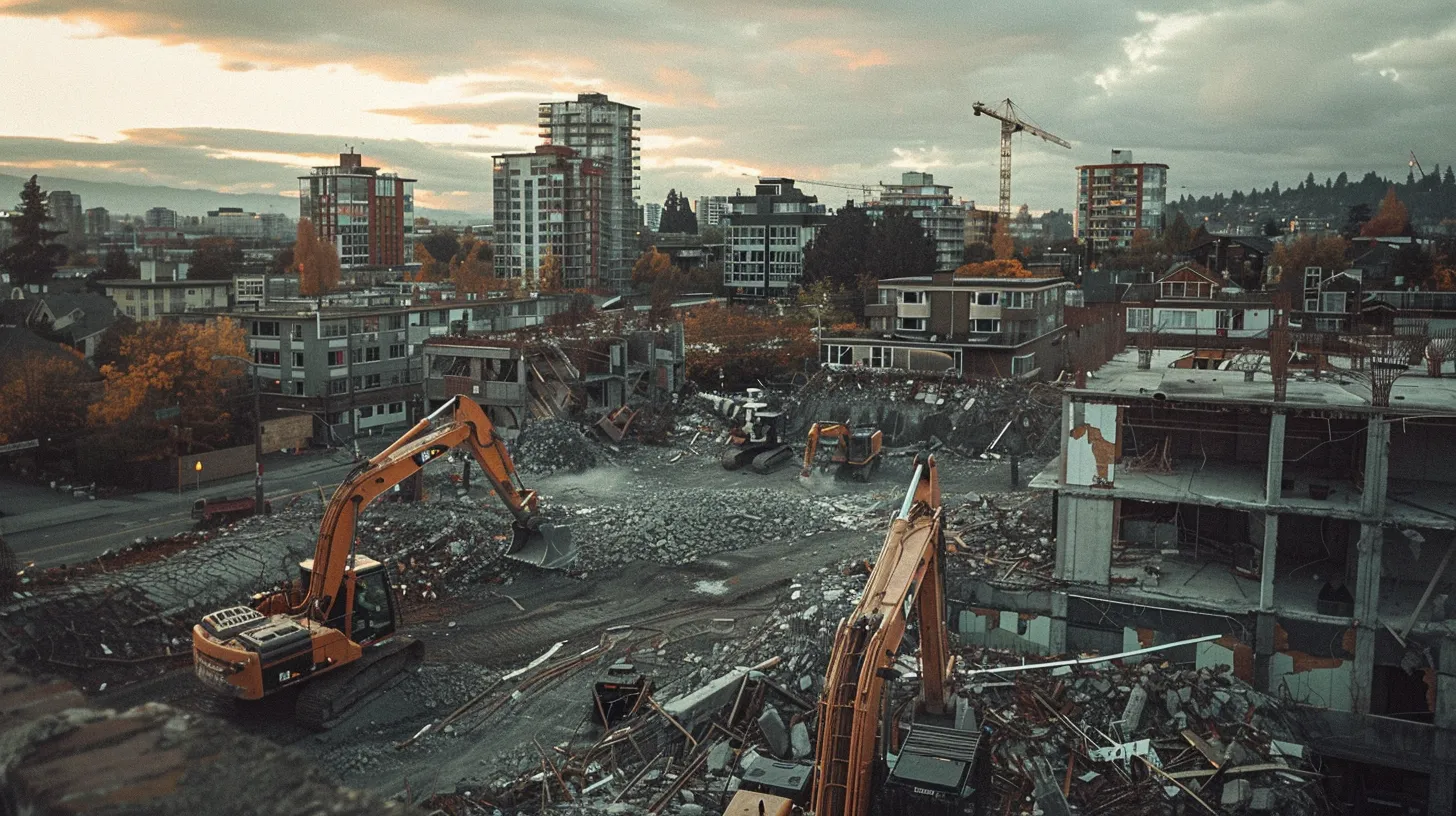
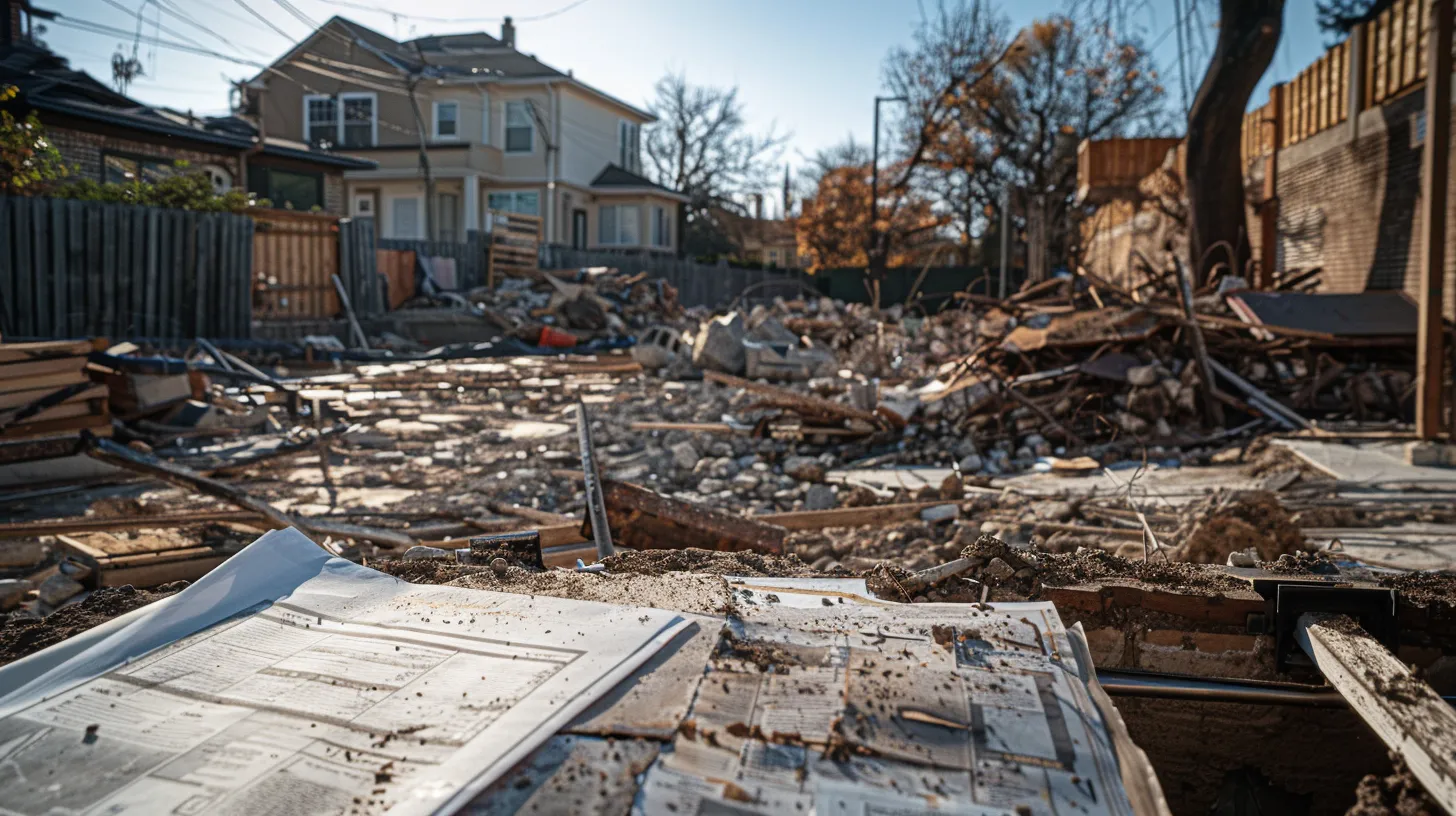
Residential demolition in Portland involves the controlled removal of homes or structures. This process requires careful planning, adherence to local regulations, and expert demolition services. Homeowners often choose demolition for safety reasons, insurance requirements, or to make way for new construction. Understanding the demolition process and its importance is crucial for Portland residents considering home demolition. Residential demolition
Defining Residential Demolition and Its Importance
Residential demolition in Portland encompasses the systematic dismantling and removal of residential structures, a process that requires specialized construction services. Professional contractors, including plumbers and asbestos removal experts, collaborate to ensure safe and efficient demolition. This service is vital for homeowners looking to rebuild, address safety concerns, or comply with local regulations. Understanding the importance of residential demolition helps property owners make informed decisions about their construction projects.
Overview of the Demolition Process Specific to Portland
The residential demolition process in Portland follows a structured approach, beginning with obtaining necessary permits and conducting thorough inspections. Contractors then disconnect utilities, remove hazardous materials, and systematically dismantle the structure. Throughout the process, waste and debris are carefully managed, with recyclable materials separated for reuse and non-recyclable items transported to approved landfills. Special considerations are made for garage demolition, ensuring proper disposal of automotive fluids and materials.
Common Reasons Homeowners Choose Demolition
Homeowners in Portland opt for residential demolition for various reasons, including structural damage, outdated designs, or the need for space optimization. Safety concerns, such as compromised foundations or hazardous materials, often necessitate demolition. Some property owners choose demolition to make way for new construction or major renovations that align with modern living standards. Commercial demolition services may also be required for larger residential properties or multi-unit dwellings, ensuring proper handling of complex structures and adherence to local regulations.
Navigating Permits and Regulations in Portland
Navigating Portland’s residential demolition regulations requires understanding essential permits, local rules, and city ordinances. Homeowners must obtain specific permits, comply with regulations governing demolition projects, and ensure adherence to city standards. This section explores the necessary steps for successful residential demolition in Portland, emphasizing the importance of proper documentation and regulatory compliance.
Essential Permits Required for Residential Demolition
Residential demolition in Portland requires specific permits from the Bureau of Development Services. These include a demolition permit, which authorizes the removal of structures, and an erosion control permit to manage environmental impact. Homeowners must also obtain asbestos and lead paint surveys before demolition can proceed. The city mandates a delay period between permit approval and demolition commencement to allow for proper notification and preparation.
Local Regulations Affecting Demolition Projects
Portland enforces strict regulations for residential demolition projects to ensure safety and environmental protection. The city requires contractors to follow specific guidelines for debris management, noise control, and dust mitigation. Homeowners must also comply with regulations regarding historic preservation, tree protection, and neighborhood notification. These local rules aim to minimize the impact of demolition on surrounding properties and preserve Portland’s unique character:
Regulation
Purpose
Debris Management
Ensure proper disposal and recycling
Noise Control
Minimize disturbance to neighbors
Dust Mitigation
Protect air quality and public health
Historic Preservation
Safeguard significant structures
Tree Protection
Preserve urban canopy
Neighborhood Notification
Inform community of upcoming projects
How to Ensure Compliance With City Ordinances
Homeowners in Portland can ensure compliance with city ordinances by working closely with licensed demolition contractors who are familiar with local regulations. These professionals can guide property owners through the permit application process, conduct necessary inspections, and implement required safety measures. Regularly communicating with city officials and maintaining detailed documentation of all project phases helps demonstrate adherence to regulations and facilitates a smooth demolition process.
Selecting the Right Demolition Contractor
Choosing the right demolition contractor is crucial for Portland homeowners planning residential demolition. This section examines key qualities to seek in a demolition service, methods to evaluate contractor reputation and experience, and essential questions to ask before hiring. Understanding these factors helps ensure a safe, efficient, and compliant demolition process.
Key Qualities to Look for in a Demolition Service
When selecting a demolition service in Portland, homeowners should prioritize contractors with proper licensing, comprehensive insurance coverage, and a proven track record of safety. Expertise in local regulations, environmental considerations, and efficient project management are crucial qualities. Reputable demolition services also demonstrate professionalism through clear communication, detailed cost estimates, and a commitment to minimizing disruption to neighboring properties.
How to Evaluate Contractor Reputation and Experience
Homeowners can evaluate contractor reputation and experience by researching online reviews, checking references, and verifying licensing and insurance status with local authorities. They should examine the contractor’s portfolio of completed projects, particularly those similar to their own demolition needs. Inquiring about the contractor’s safety record, environmental practices, and familiarity with Portland’s specific regulations provides valuable insights. Homeowners can also consult industry associations or local construction networks for recommendations and ratings:
Evaluation Method
Purpose
Online Reviews
Gauge customer satisfaction
Reference Checks
Verify quality of past work
Licensing Verification
Ensure legal compliance
Project Portfolio
Assess relevant experience
Safety Record
Evaluate risk management
Industry Associations
Obtain professional endorsements
Questions to Ask Before Hiring a Contractor
Before hiring a demolition contractor in Portland, homeowners should ask specific questions to ensure they select a qualified professional. These questions should cover the contractor’s experience with similar projects, their familiarity with local regulations, and their approach to safety and environmental concerns. Inquiring about the timeline, cost breakdown, and disposal methods helps homeowners understand the project scope and potential challenges. Asking for references and proof of insurance provides additional assurance of the contractor’s reliability and professionalism.
Safety Considerations During Residential Demolition
Safety is paramount in residential demolition projects in Portland. This section examines crucial safety protocols for demolition sites, steps to prepare properties and neighborhoods for the process, and methods to identify and mitigate environmental hazards. Understanding these safety considerations helps homeowners ensure a secure and compliant demolition experience while protecting their property and surrounding areas.
Importance of Safety Protocols on Site
Safety protocols on residential demolition sites in Portland are crucial for protecting workers, property owners, and the surrounding community. These protocols include proper equipment usage, personal protective gear requirements, and strict adherence to OSHA regulations. Implementing comprehensive safety measures helps prevent accidents, reduces liability risks, and ensures the demolition process progresses smoothly and efficiently.
Preparing Your Property and Neighborhood for Demolition
Preparing a property and neighborhood for demolition in Portland requires careful planning and communication. Homeowners should secure valuables, remove personal items, and disconnect utilities before the demolition begins. Notifying neighbors about the upcoming project, including expected timelines and potential disruptions, helps maintain positive community relations. Contractors typically assist in coordinating these preparations, ensuring compliance with local regulations and minimizing impact on surrounding areas:
Preparation Step
Purpose
Secure valuables
Protect personal property
Remove personal items
Clear workspace for demolition
Disconnect utilities
Ensure safety during demolition
Notify neighbors
Maintain community relations
Coordinate with contractors
Ensure regulatory compliance
Plan for noise and dust
Minimize neighborhood impact
Understanding Environmental Hazards and Mitigation
Residential demolition in Portland often involves environmental hazards such as asbestos, lead paint, and contaminated soil. Professional contractors conduct thorough assessments to identify these risks and implement appropriate mitigation strategies. These may include specialized removal techniques, proper disposal methods, and air quality monitoring to protect workers and residents. Homeowners should work closely with their chosen demolition service to ensure all environmental concerns are addressed in compliance with local and federal regulations.
Cost Factors Associated With Residential Demolition
Understanding the cost factors associated with residential demolition in Portland is crucial for homeowners planning such projects. This section examines typical costs, influential factors affecting expenses, and financing options. By exploring these aspects, homeowners can better prepare for the financial implications of demolition and make informed decisions about their property investments.
Breakdown of Typical Costs in Portland Demolition Projects
Residential demolition costs in Portland typically range from $8,000 to $15,000 for an average-sized home. This price includes permits, labor, equipment rental, debris removal, and disposal fees. Factors such as the property’s size, location, and structural complexity can significantly influence the total cost. Homeowners should also budget for additional expenses like utility disconnections, asbestos abatement, and site preparation, which can add several thousand dollars to the project.
Factors That Influence Overall Project Expenses
Several factors influence the overall expenses of residential demolition projects in Portland. The size and complexity of the structure, presence of hazardous materials, and site accessibility all play significant roles in determining costs. Additional considerations include local permit fees, debris disposal charges, and any specialized equipment required for the job. Homeowners should also factor in potential costs for utility disconnections, landscaping restoration, and temporary housing if necessary during the demolition process.
Financing Options and Budgeting for Demolition
Homeowners in Portland have several financing options for residential demolition projects. They can explore home equity loans, personal loans, or specialized construction loans to cover demolition costs. Some contractors offer payment plans, allowing homeowners to spread expenses over time. When budgeting, property owners should account for potential unexpected costs and include a contingency fund of 10-20% of the total project estimate. Careful financial planning ensures homeowners can complete their demolition projects without undue financial strain.
Post-Demolition Steps for Homeowners
After residential demolition in Portland, homeowners face crucial next steps. This section outlines post-demolition expectations, essential cleanup processes, and planning for future construction or landscaping. Understanding these phases helps property owners navigate the transition from demolition to site preparation efficiently, ensuring a smooth progression towards their property goals.
What to Expect After the Demolition Is Complete
After demolition is complete, Portland homeowners can expect a cleared site ready for the next phase of their project. The demolition contractor will have removed all debris, leveled the ground, and ensured the area is safe for further work. Property owners should conduct a thorough inspection of the site to verify that all specified structures have been removed and that no hazardous materials remain. This post-demolition period is crucial for planning the next steps, whether that involves immediate construction or temporary landscaping:
Post-Demolition Task
Purpose
Site Inspection
Verify complete removal of structures
Debris Check
Ensure thorough cleanup
Safety Assessment
Confirm site is hazard-free
Ground Leveling Verification
Prepare for future construction
Utility Inspection
Confirm proper disconnections
Next Phase Planning
Determine immediate site use
Essential Cleanup and Site Restoration Processes
Essential cleanup and site restoration processes follow residential demolition in Portland. Contractors remove debris, grade the site, and implement erosion control measures. Homeowners should ensure proper disposal of hazardous materials and verify that utilities are safely capped. The final steps include soil testing and, if necessary, soil remediation to prepare the site for future use:
Debris removal and sorting
Site grading and leveling
Erosion control implementation
Hazardous material disposal
Utility capping verification
Soil testing and remediation
Planning for New Construction or Landscaping After Demolition
After demolition, Portland homeowners can begin planning for new construction or landscaping. They should consult with architects or landscape designers to create plans that align with local zoning laws and building codes. Property owners must obtain necessary permits for their new projects and consider factors such as soil stability, drainage, and utility connections. This planning phase is crucial for ensuring a smooth transition from demolition to new development:
Consult with architects or landscape designers
Review local zoning laws and building codes
Obtain necessary permits
Assess soil stability and drainage
Plan for utility connections
Consider environmental impact
Frequently Asked Questions
What permits are required for residential demolition in Portland?
Residential demolition in Portland typically requires a demolition permit from the Bureau of Development Services. Additional permits may be needed for asbestos abatement, lead paint removal, and utility disconnections. Homeowners should also check for any historic preservation restrictions before proceeding with demolition plans.
How do I choose a reliable demolition contractor in Portland?
When selecting a reliable demolition contractor in Portland, research their experience, licenses, and insurance. Check customer reviews, ask for references, and compare quotes from multiple companies. Ensure they follow safety regulations and have the necessary equipment for your specific project.
What safety measures should be in place during a home demolition?
Safety measures for home demolition include proper site preparation, hazardous material assessment, utility disconnection, structural assessment, personal protective equipment, debris containment, and clear communication among workers. Professional demolition contractors ensure compliance with local regulations and implement safety protocols to protect workers and nearby properties throughout the process.
How much does residential demolition typically cost in Portland?
Residential demolition costs in Portland typically range from $8,000 to $25,000, depending on factors such as the size of the structure, accessibility, and any hazardous materials present. Larger homes or those with complex demolition requirements may cost more.
What steps should homeowners take after a demolition project is completed?
After demolition, homeowners should inspect the site for safety hazards, remove debris, and ensure proper disposal. They should also check for any structural damage to surrounding areas, obtain necessary permits for rebuilding, and consult with professionals to plan the next steps in their renovation or construction project.
Conclusion
Residential demolition in Portland requires careful planning, adherence to regulations, and expert execution. Homeowners must navigate complex permit processes, select qualified contractors, and prioritize safety and environmental considerations throughout the project. Understanding cost factors and financing options is crucial for budgeting effectively and avoiding unexpected expenses. By following proper post-demolition procedures and planning for future development, property owners can successfully transform their residential spaces while complying with local standards and minimizing community impact.