
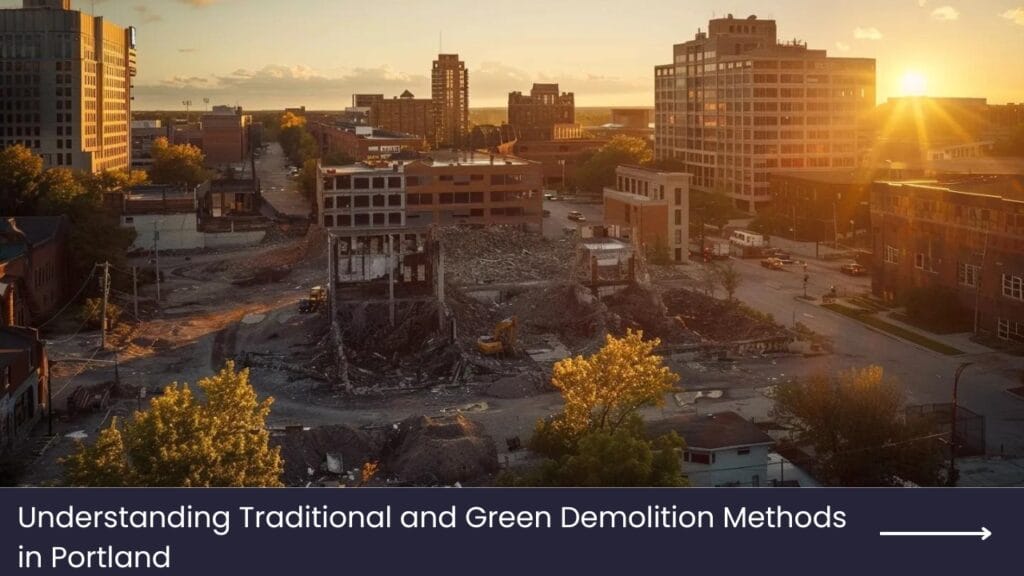
Demolition is often seen as a straightforward part of construction, but not all methods are created equal. In Portland, understanding the differences between traditional and green demolition methods can influence a renovation project’s efficiency and environmental impact. This article will explore the approaches used in Oregon, highlight the effectiveness of both techniques, and discuss key players in the local demolition industry. By reading this content, individuals will learn how to choose the most suitable demolition method for their needs and address common concerns regarding sustainability in construction.
Understanding Traditional Demolition Methods in Portland
Traditional demolition methods often involve the usage of conventional techniques and specific equipment to efficiently dismantle structures. This approach applies to various projects, including residential remodels and commercial developments. Key safety measures are implemented to protect workers and the surrounding area, and an understanding of cost implications helps clients make informed decisions about budgeting for deconstruction and recycling efforts.
Overview of Conventional Techniques
Conventional demolition methods in Portland mainly employ techniques such as wrecking balls, excavators, and manual dismantling. These approaches are commonly used for both residential and commercial projects, effectively bringing down structures layer by layer or in large sections. Knowing how these techniques work helps property owners plan their projects and anticipate potential challenges during the demolition process:
| Technique | Description | Typical Use |
|---|---|---|
| Wrecking Ball | A heavy steel ball swung from a crane to demolish large structures. | Large commercial buildings |
| Excavator | A versatile machine with a bucket used for breaking down smaller buildings. | Residential properties |
| Manual Dismantling | Careful breakdown of structures using hand tools for selective demolition. | Historical buildings or sensitive areas |
Key Equipment Used in Traditional Demolition
In traditional demolition, the choice of equipment plays a crucial role in the efficiency and safety of the process. Heavy machinery, such as excavators and bulldozers, is often utilized for substantial tear-downs, especially in commercial projects, where structural integrity requires precision and power. For smaller sites or selective demolition needs, hand tools are employed to ensure a carefully managed removal, minimizing potential damage to surrounding areas. Understanding the equipment used helps clients prepare for their own demolition undertakings:
| Equipment | Description | Typical Application |
|---|---|---|
| Excavator | A large machine equipped with a bucket to crush and scoop up debris. | Commercial projects |
| Bulldozer | Used to push large quantities of earth, rubble, and debris. | Site clearing and grading |
| Hand Tools | Includes saws, hammers, and chisels for manual dismantling. | Residential remodels, selective demolition |
Typical Projects Utilizing Traditional Methods
Traditional demolition methods are often utilized in a range of projects, including the tearing down of outdated commercial buildings, residential structures, and even large industrial facilities. These methods prove effective when large-scale demolition is necessary, as seen in urban redevelopment scenarios, where entire blocks may need to be cleared for new construction. Clients selecting traditional demolition can expect a thorough approach, ensuring safety and compliance with local regulations while effectively managing debris and preparing sites for future development.
Safety Measures in Traditional Demolition
In traditional demolition, safety measures are paramount to protect both workers and the surrounding environment. Before beginning any project, thorough assessments are conducted to identify potential hazards, such as unstable structures or hazardous materials like asbestos. Employing trained professionals who follow rigorous safety protocols—including the use of personal protective equipment (PPE) and effective communication among team members—ensures that demolition is carried out safely and efficiently. These practices not only minimize risks during operations but also assure compliance with local regulations, ultimately leading to successful project completion.
Cost Implications of Traditional Practices
The cost implications of traditional demolition practices in Portland can be significant, impacting both residential and commercial projects. Clients must consider various expenses, including labor, equipment rental, disposal fees, and potential environmental remediation. Engaging a skilled demolition contractor is vital, as they can provide accurate estimates and guide clients on budget management, ensuring project timelines and safety standards are upheld while minimizing unexpected costs.
Exploring Green Demolition Practices in Portland
Green demolition, also known as eco-friendly demolition, focuses on sustainable practices for dismantling structures while minimizing waste and environmental impact. This approach offers significant benefits, including reduced landfill contributions and resource conservation. Key aspects include recycling materials, employing methods to lessen ecological footprints, and adhering to current regulations that promote environmental stewardship in demolition projects.
Definition and Principles of Green Demolition
Green demolition, also referred to as eco-friendly demolition, involves the careful dismantling of buildings while prioritizing sustainability and reducing environmental impact. This practice adheres to principles such as recycling and reusing materials, minimizing waste, and implementing energy-efficient methods throughout the demolition process. By focusing on these principles, contractors can significantly lower landfill contributions, conserve resources, and promote a healthier environment in Portland’s demolition projects:
- Prioritizing recycling and reuse of materials.
- Implementing energy-efficient methods in demolition.
- Minimizing waste production to benefit the environment.
Benefits of Eco-Friendly Demolition Methods
Eco-friendly demolition methods offer numerous advantages in Portland, including reduced environmental impact and decreased waste sent to landfills. By prioritizing the recycling and reusing of materials, contractors can conserve valuable resources and promote sustainability within the community. This approach not only aligns with local regulations promoting ecological responsibility but also provides potential cost savings for clients through the reuse of materials in future construction projects.
Materials Recycled in Green Demolition
In green demolition practices, a variety of materials are recycled to minimize waste and promote sustainability. Commonly recycled items include metals, concrete, wood, and fixtures, which can be repurposed for new construction projects or other applications. By prioritizing the recycling of these materials, contractors not only reduce landfill impact but also contribute to a more sustainable construction process, effectively addressing the environmental concerns of property owners in Portland.
Techniques for Minimizing Environmental Impact
Techniques for minimizing environmental impact in green demolition significantly contribute to sustainable practices in Portland. One effective method involves implementing careful inventory assessments before demolition begins, allowing contractors to identify recyclable materials. Additionally, utilizing tools like deconstruction over traditional demolition not only reduces waste but also enables the reuse of valuable components from the structure:
- Conducting inventory assessments to identify recyclables.
- Choosing deconstruction methods to optimize material reuse.
- Employing energy-efficient equipment to lower emissions.
Current Regulations Supporting Green Practices
Portland’s commitment to sustainable practices is reflected in various regulations supporting green demolition efforts. These regulations often promote recycling and material reuse, encouraging contractors to follow eco-friendly methods during the demolition process. By adhering to local guidelines, businesses not only comply with environmental standards but also contribute to a healthier community and reduced landfill waste.
Comparing Effectiveness of Traditional and Green Methods
Evaluating traditional and green demolition methods in Portland involves examining several critical factors. This includes their impact on the environment and sustainability, a cost comparison for various projects, and differences in time efficiency and project timelines. Additionally, the community impact and responsiveness are crucial elements. Case studies that highlight both approaches provide practical insights into their effectiveness, further emphasizing the relevance of these methods in current demolition practices.
Impact on Environment and Sustainability
The impact of demolition methods on the environment and sustainability is an essential factor for both homeowners and commercial developers in Portland. Traditional demolition often results in significant waste, with large volumes of debris sent to landfills, thereby contributing to environmental degradation. In contrast, green demolition practices prioritize recycling and reusing materials, which not only reduces waste but also conserves valuable resources. This approach aligns with Portland’s goals for sustainability, allowing projects to meet community standards while minimizing ecological footprints.
Cost Comparison for Different Projects
The cost comparison of traditional and green demolition methods reveals distinct financial implications for different types of projects in Portland. Traditional demolition often incurs higher costs due to extensive waste disposal fees and the potential need for environmental remediation. In contrast, green demolition can lead to savings by recycling materials, which reduces landfill contributions and may allow for the reuse of salvaged components in future construction projects, ultimately providing a more budget-friendly option for property owners.
Time Efficiency and Project Timeline Differences
The time efficiency and project timelines for traditional and green demolition methods can vary significantly. Traditional methods often allow for faster tear-downs, especially in larger commercial projects where heavy machinery is employed, leading to quicker site clearance. Conversely, green demolition typically requires more planning and labor to sort and recycle materials, which can extend project timelines but ultimately results in a more sustainable approach and reduced environmental impact.
Community Impact and Responsiveness
The community impact and responsiveness of traditional and green demolition methods significantly influence the overall satisfaction of Portland residents. Traditional demolition, while efficient, often leads to increased noise, dust, and debris, which may disrupt the local environment and quality of life. In contrast, green demolition prioritizes minimizing these disturbances through careful planning and recycling practices, allowing communities to engage more positively with construction projects and enhancing local environmental health:
| Demolition Method | Community Impact | Responsiveness |
|---|---|---|
| Traditional Demolition | Higher noise and disruption levels | Less community engagement |
| Green Demolition | Minimized environmental disturbances | Enhanced communication and involvement |
Case Studies Highlighting Both Approaches
Case studies of traditional and green demolition methods in Portland illustrate how each approach can be effectively applied to various projects. For example, a recent commercial redevelopment utilized traditional demolition, resulting in rapid site clearance and immediate availability for new construction. In contrast, a residential deconstruction project embraced green methods, prioritizing material reuse and recycling, which not only minimized waste but also fostered community involvement and sustainable practices:
- Commercial project using traditional demolition for swift site clearance.
- Residential project employing green demolition for material recycling.
- Community engagement and resource conservation evident in eco-friendly methods.
Key Players in Portland’s Demolition Industry
The demolition industry in Portland features a blend of leading traditional demolition companies and pioneers of green demolition practices. Understanding the certifications and standards that govern demolition services is essential, as is recognizing how these operators collaborate for effective solutions. The following sections will delve into the key players shaping the industry and their role in advancing both methods.
Leading Traditional Demolition Companies
Portland’s demolition industry features several reputable companies specializing in traditional demolition methods. These leading contractors employ a range of techniques, including wrecking balls and excavators, to efficiently dismantle structures while ensuring safety and regulatory compliance. Clients benefit from their expertise in managing large-scale projects, allowing for seamless site clearance and preparation for future developments:
- Expert knowledge of conventional demolition techniques.
- Commitment to safety and compliance with regulations.
- Efficient management of large-scale projects for swift site clearance.
Pioneers of Green Demolition Practices
In Portland, several pioneering companies are leading the way in green demolition practices, emphasizing environmental stewardship and sustainable building solutions. These organizations utilize innovative techniques focused on material reuse and recycling, significantly lessening waste sent to landfills. Their commitment to eco-friendly methods not only meets regulatory standards but also fosters community engagement, providing property owners with viable alternatives for responsible demolition that benefit both their projects and the environment.
Certifications and Standards for Demolition Services
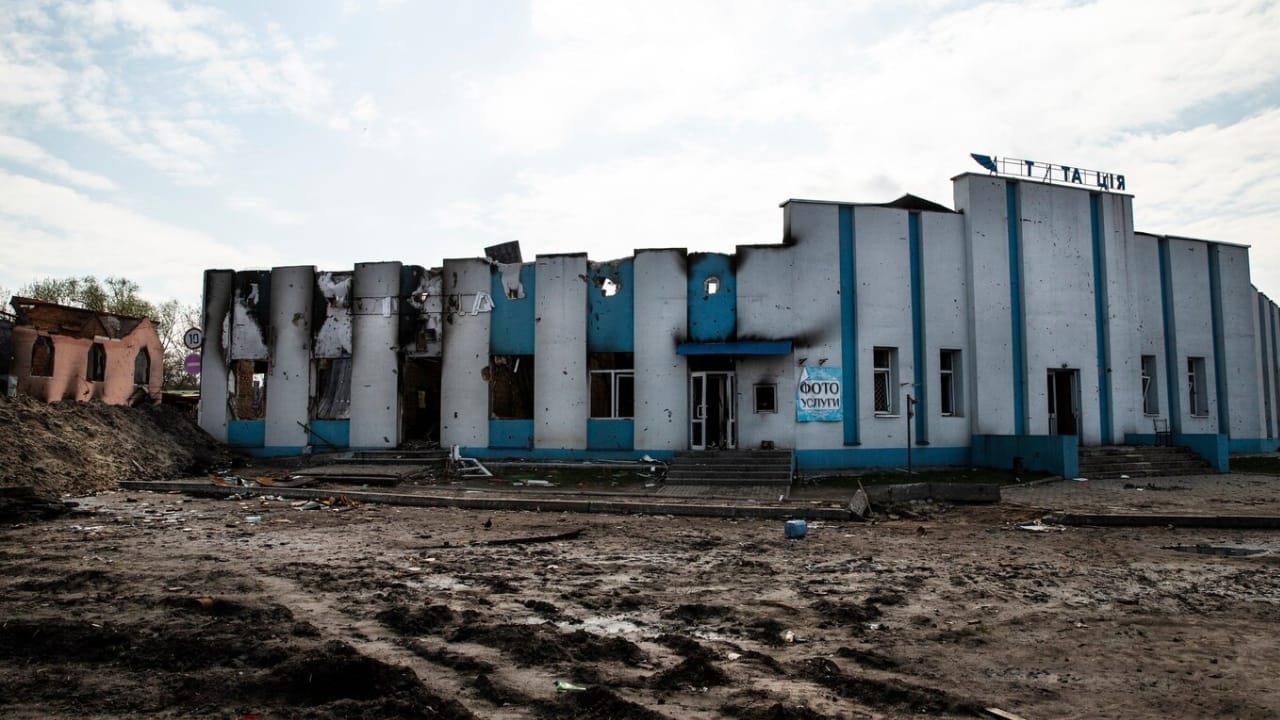
Certifications and standards play a vital role in the demolition industry in Portland, ensuring that companies adhere to safety, environmental, and quality guidelines. Operatives are required to hold specific certifications, such as the OSHA (Occupational Safety and Health Administration) designation, which emphasizes safety protocols during demolition activities. Additionally, many firms seek eco-certifications to align with green practices, reflecting their commitment to sustainable demolition methods:
| Certification | Description | Significance |
|---|---|---|
| OSHA Certification | Ensures compliance with safety regulations to protect workers. | Reduces workplace accidents and promotes safety culture. |
| LEED Certification | Focuses on sustainable building practices and resource conservation. | Supports environmental responsibility in construction. |
| NADC Certification | Specifically for professionals in the demolition industry. | Highlights expertise and adherence to industry standards. |
Collaborations Between Traditional and Green Operators
Collaborations between traditional and green operators in Portland’s demolition industry foster a balance of efficiency and sustainability. By sharing expertise, these entities can develop hybrid approaches that utilize heavy machinery for rapid site clearance while integrating eco-friendly practices such as material recycling and reuse. This partnership not only enhances the overall project outcomes but also addresses community concerns about environmental impact, paving the way for responsible development practices that meet the needs of both property owners and residents.
Future Trends in Demolition Practices in Portland
Technological innovations are transforming demolition practices in Portland, enhancing efficiency and safety. Legislation plays a significant role in shaping these methods, pushing for greener practices amid increasing demand for sustainable solutions. Predictions for the industry suggest a continued shift towards eco-friendly approaches, aligning with community expectations and environmental regulations.
The following sections will delve into these key topics, offering insights into how advancements, regulations, and market demands are setting the future direction for demolition in Portland.
Technological Innovations in Demolition
Technological innovations are paving the way for more efficient and safer demolition practices in Portland. The incorporation of advanced machinery, such as robotic demolition equipment and drones for site surveying, enhances precision and reduces the risks associated with traditional demolition methods. Furthermore, software solutions that optimize project management and waste tracking assist contractors in streamlining their operations while committing to sustainability goals.
| Innovation | Description | Benefits |
|---|---|---|
| Robotic Demolition Equipment | Machines designed for precise dismantling of structures. | Reduces risk to workers, enhances safety. |
| Drones for Site Surveying | Uses aerial technology for thorough site assessments. | Improves accuracy, saves time on analysis. |
| Project Management Software | Sophisticated tools for managing demolition projects. | Streamlines operations and tracks waste effectively. |
The Role of Legislation in Shaping Demolition Methods
Legislation plays a critical role in shaping demolition methods in Portland, as it establishes guidelines that promote both safety and environmental stewardship. New regulations increasingly emphasize sustainable practices, requiring contractors to adopt eco-friendly methods alongside traditional techniques. By aligning these legal requirements with community values, the industry can enhance its commitment to responsible demolition while ensuring compliance and fostering a culture of safety and sustainability:
| Legislation Type | Description | Impact on Demolition |
|---|---|---|
| Environmental Regulations | Set standards for waste management and recycling. | Encourages adoption of green demolition practices. |
| Safety Standards | Established by OSHA for worker protection. | Enhances safety protocols on demolition sites. |
| Local Building Codes | Quality guidelines for structural demolition. | Ensures compliance with safety and design standards. |
Increasing Demand for Sustainable Practices
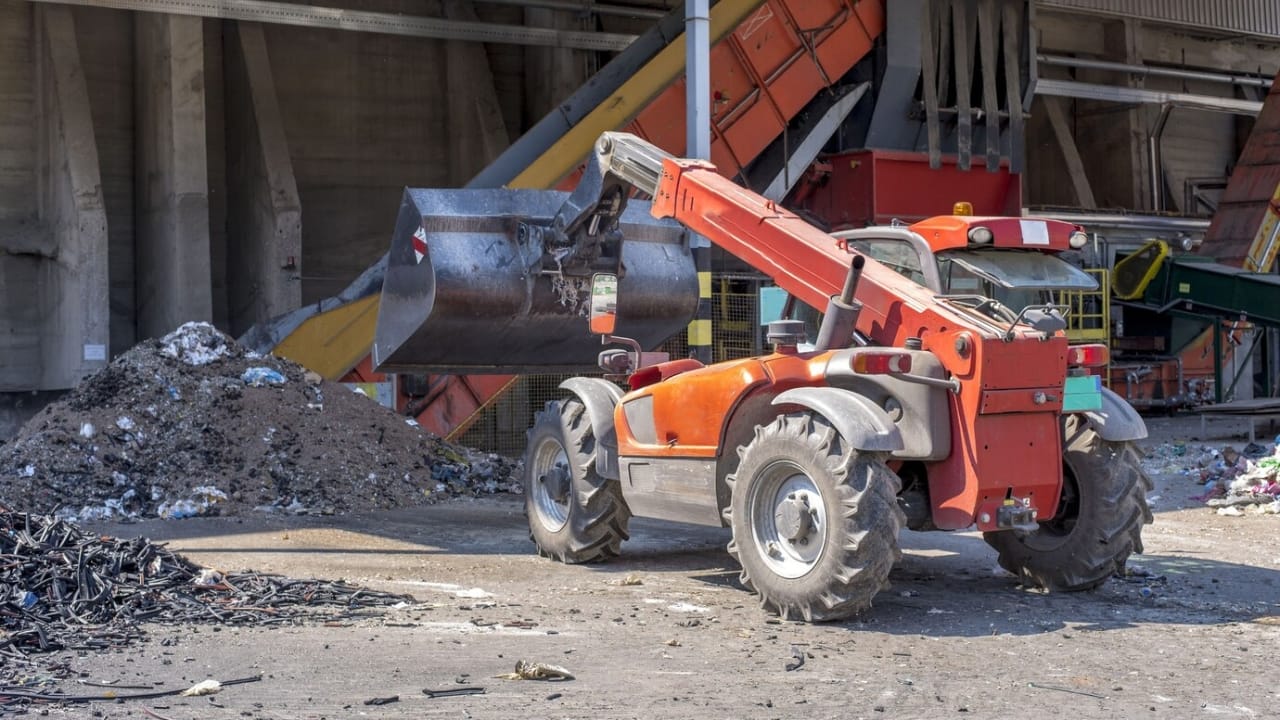
The increasing demand for sustainable practices in Portland’s demolition industry has become a key driver for change among contractors. As property owners seek to align their projects with environmental considerations, companies are responding by adopting green demolition methods that prioritize recycling and resource conservation. This shift not only meets regulatory requirements but also creates opportunities for cost savings, making it essential for demolition services to stay ahead of these trends while addressing the needs of an environmentally conscious community.
Predictions for the Demolition Industry in Portland
As the demolition industry in Portland evolves, significant shifts towards green practices are anticipated, influenced by increasing community awareness and regulatory changes. Companies will likely prioritize eco-friendly methods, integrating advanced technologies for waste management and resource conservation. This alignment with sustainable goals will not only enhance project outcomes but also address the growing demand for environmentally responsible practices among property owners:
- Enhanced adoption of innovative, green demolition techniques.
- Increased focus on recycling materials to reduce landfill contributions.
- Stronger collaboration between traditional and eco-friendly demolition contractors.
Choosing the Right Demolition Method for Your Project
Choosing the appropriate demolition method for a project in Portland involves a careful assessment of scope and needs. Factors to consider include specific criteria for selecting traditional versus green methods, the importance of consulting professionals for expert guidance, and budgeting for different approaches. Understanding the long-term implications of this choice is essential for making informed decisions that align with project goals.
Assessing the Scope and Needs of Your Project
Assessing the scope and needs of a demolition project is essential for selecting the appropriate method in Portland. Factors such as the building’s size, type, and surrounding environment play a critical role in determining whether traditional or green demolition methods are more suitable. For instance, residential properties may benefit from selective green practices, while large commercial structures often necessitate robust traditional techniques to ensure efficient and safe dismantling.
| Project Consideration | Traditional Method Suitability | Green Method Suitability |
|---|---|---|
| Building Size | Best for large-scale demolitions | Effective for smaller structures |
| Environmental Impact | Less focus on sustainability | Prioritizes recycling and reuse |
| Required Speed | Quicker teardown and clearance | May require more planning |
Criteria for Selecting Traditional vs. Green Methods
Choosing between traditional and green demolition methods in Portland depends on several key criteria. The size and type of the structure play significant roles; larger commercial buildings often necessitate robust traditional techniques for efficiency, while smaller residential projects may benefit from eco-friendly approaches that focus on material reuse. Additionally, property owners should consider their priorities regarding environmental impact and overall costs; selecting green methods can yield long-term savings and align with sustainability goals, providing a beneficial strategy for both the client and the community.
Consulting With Professionals for Expert Guidance
Consulting with professionals is essential when selecting the right demolition method for a project in Portland. Experienced demolition contractors bring valuable insights that help clients assess site conditions, project scope, and local regulations. Their expertise can guide property owners towards either traditional or green demolition practices, ensuring that the chosen method aligns with safety standards, budget constraints, and environmental goals.
Budgeting for Different Demolition Approaches
Budgeting for different demolition approaches requires a clear understanding of the associated costs for both traditional and green methods. For clients in Portland, traditional demolition often incurs higher expenses related to heavy machinery rental and waste disposal fees, while green demolition emphasizes recycling materials, which can generate savings in the long term. Consulting with experienced demolition professionals ensures accurate cost estimates and helps property owners effectively allocate their budget, minimizing unexpected financial burdens:
| Demolition Method | Typical Costs | Considerations |
|---|---|---|
| Traditional Demolition | Higher due to equipment and disposal | Quick site clearance but extensive waste |
| Green Demolition | Potential savings from material recycling | May take longer due to sorting and reuse |
Long-Term Implications of Your Choice
Choosing the right demolition method in Portland carries significant long-term implications for project outcomes and environmental impact. Selecting traditional demolition may expedite site clearance but can result in higher waste disposal costs and reduced sustainability, affecting project budgets over time. Conversely, opting for green demolition fosters resource conservation through material recycling, potentially leading to savings for future construction endeavors while aligning with ecological responsibility, ultimately benefiting both property owners and the community in the long run.
Frequently Asked Questions
What are the main traditional demolition methods used in Portland?
Portland’s primary traditional demolition methods include mechanical demolition, where heavy equipment such as excavators and bulldozers dismantle structures, and hand demolition, which involves manual labor for smaller, more precise projects.
How do green demolition practices benefit the environment?
Green demolition practices reduce waste by recycling materials, minimize environmental impact through responsible disposal, and lower carbon emissions, contributing to a sustainable future. These methods also promote conservation of resources, enhancing overall ecological health.
Which demolition method is more effective for residential projects?
For residential projects, mechanical demolition is often the most effective method, as it combines efficiency with safety. It minimizes environmental impact and reduces the time needed to complete demolition tasks, ensuring a clean site ready for new construction.
Who are the leading companies in Portland’s demolition industry?
Leading companies in Portland’s demolition industry include Mayer Construction Inc, known for their professional demolition and excavating services, and several other notable contractors recognized for their commitment to quality and efficient project execution.
What future trends are influencing demolition practices in Portland?
Future trends influencing demolition practices in Portland include an emphasis on sustainable methods, advanced machinery, and strict regulatory compliance. The shift towards eco-friendly approaches and recycling materials is reshaping how demolition is executed in the region.
Conclusion
Understanding both traditional and green demolition methods in Portland is essential for property owners aiming to make informed choices about their projects. Traditional methods provide efficiency and speed, while green practices emphasize sustainability and resource conservation. By weighing the benefits of each approach, clients can align their demolition projects with their budget and environmental goals. Knowledge of these methods ultimately leads to responsible development that benefits individual projects and the broader community.